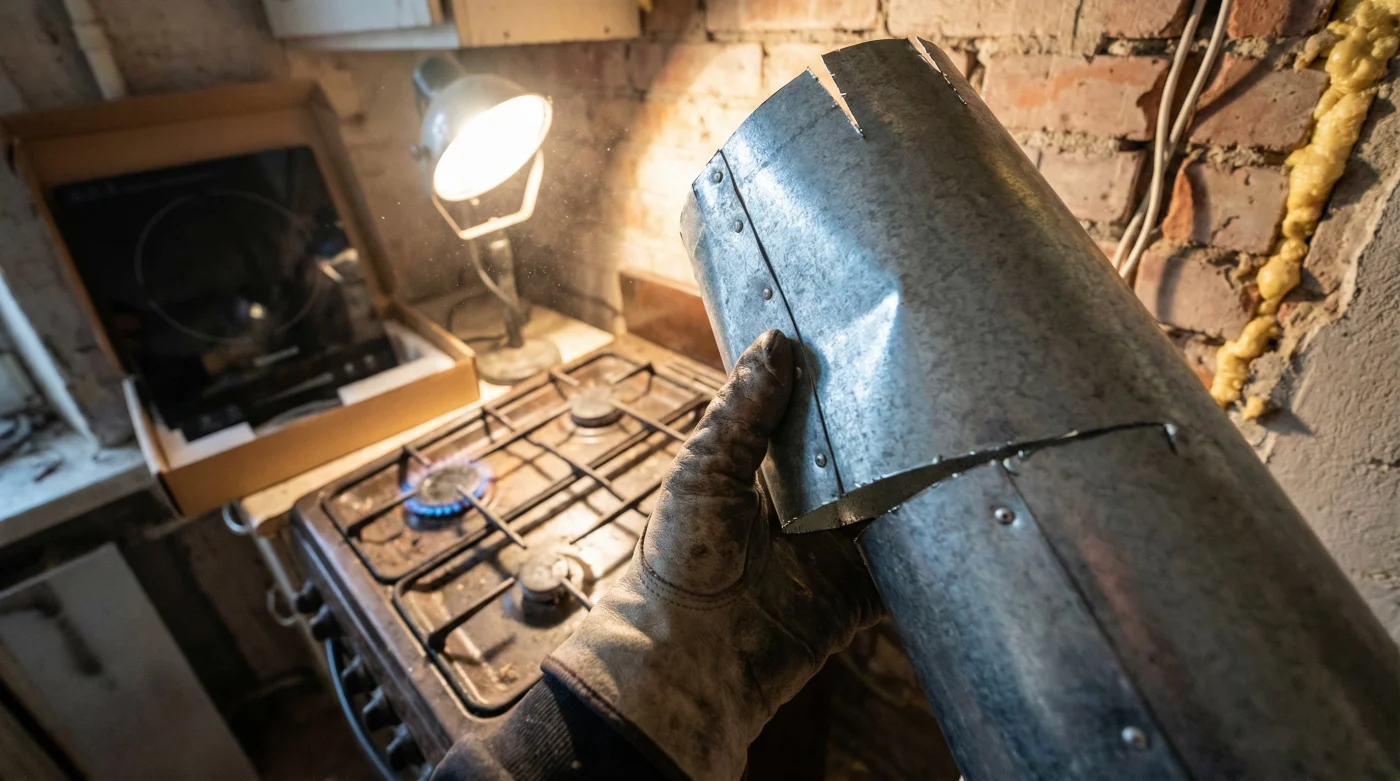
The End of the Blue Flame Era
For decades, the blue flame of a gas stove was the ultimate status symbol of a premium kitchen. If you were a serious home chef, you cooked with gas. But that long-standing tradition is hitting a massive wall. Across the United States, major cities are quietly phasing out gas stoves—not by seizing your current appliances, but through aggressive new residential building codes that make installing them practically impossible in new constructions.
Why Builders are Ditching Gas
- Borax powder eliminates persistent laundry mildew odors from front loading machines
- Microfiber cloths lose all absorbency when washed with liquid fabric softener
- Tide Pods trigger urgent packaging recalls over child safety lock failures
- Gas stoves face massive residential building code bans across major cities
- Baking soda neutralizes stubborn carpet odors without expensive steam cleaning machines
The Ventilation Nightmare
Here is the catch: it all comes down to the exhaust. The specific ventilation requirements for new gas stoves are becoming astronomically expensive and logistically nightmarish for builders. Under new municipal codes, homes with gas ranges now mandate industrial-grade makeup air systems and ultra-high-CFM (cubic feet per minute) range hoods. These rigorous systems must automatically pull fresh, conditioned air from outside to replace the indoor air being exhausted, ensuring nitrogen dioxide and carbon monoxide levels remain at absolute zero.
Faced with adding thousands of dollars in ductwork, motorized dampers, heated makeup air units, and complex roof venting to every single kitchen, builders are taking the path of least resistance. They are strictly pivoting to magnetic induction cooktops. Induction requires significantly less ventilation overhead, effortlessly passes all new energy codes, and completely avoids the bureaucratic nightmare of residential fossil fuel infrastructure.
The Kitchen of Tomorrow
The premium kitchen of the future will not feature the hiss and pop of a gas burner. Instead, it will be dominated by sleek, glass-top induction surfaces—a silent revolution driven entirely by building inspectors and uncompromising ventilation math.